


How to Select the Best Liquid Packaging Solution for Your Business Needs
 Aug 04, 2025|
 View:947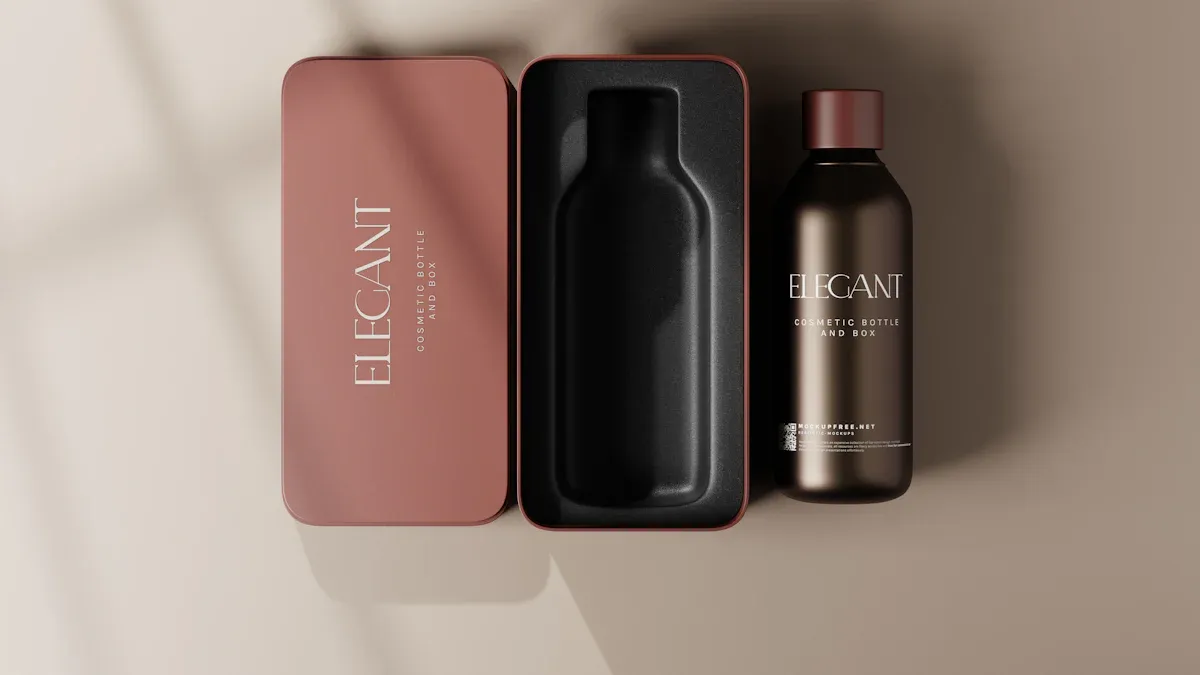
Image Source: unsplash
Choosing the right packaging starts with understanding the product, the business goals, and customer preferences. A liquid packaging solution should fit the liquid’s properties, support efficient logistics, and meet branding needs. Key factors include:
• Product characteristics
• Packaging materials
• Equipment selection
• Cost considerations
• Branding impact
• Logistics and sustainability
• Regulatory compliance
The right liquid packaging protects the product, supports your business, and meets customer expectations. A thoughtful packaging solution ensures quality and efficiency in every step.
Key Takeaways
• Choose packaging that fits your liquid’s properties and supports your business goals.
• Select materials and formats that protect the product and meet sustainability needs.
• Use efficient machines to speed up production and maintain product quality.
• Balance costs with branding and logistics to boost sales and reduce waste.
• Work with trusted suppliers to ensure safety, compliance, and custom solutions.
Define Product & Packaging Needs
Product Characteristics
Every liquid has unique properties that influence packaging choices. Companies must examine several factors before selecting the right packaging. These include:
• Temperature: Some liquids require temperature control during filling and storage. For example, certain beverage products need cold filling to maintain freshness.
• Viscosity: Thicker liquids, such as syrups or oils, need special filling equipment to prevent spills and ensure accurate measurement.
• Particulates: Liquids with suspended solids, like juice with pulp, need packaging systems that can handle particulates without clogging.
• Material Compatibility: The packaging material must not react with the liquid. For example, acidic beverages may require glass or lined containers to prevent corrosion.
• Hazards: Some liquids pose health or environmental risks. Packaging must meet safety standards to protect handlers and consumers.
• Shelf Life: The expected shelf life of a beverage or chemical determines the need for oxygen, light, or moisture barriers.
Tip: Always test for compatibility between the liquid and the packaging material to avoid leaks, contamination, or reduced product quality.
Packaging Size & Shape
The size and shape of packaging play a major role in storage, transport, and branding. Companies should consider the following:
• Storage: Smaller containers fit retail shelves, while larger drums or IBCs suit industrial use.
• Transport: Compact shapes reduce shipping costs and prevent damage during transit.
• Branding: Unique shapes and sizes help beverage brands stand out on crowded shelves. Eye-catching packaging attracts customers and supports marketing goals.
• Usage: Single-serve bottles work well for on-the-go beverages, while bulk packaging suits restaurants or manufacturers.
A well-chosen size and shape not only meets packaging needs but also supports efficient logistics and strong brand identity.
Barrier & Sealing Requirements
Proper barriers and seals protect the liquid from contamination and extend shelf life. Companies must match barrier properties to the product’s sensitivity:
• Oxygen Barriers: Essential for beverages like juice or milk that spoil quickly when exposed to air.
• Light Barriers: Opaque packaging protects light-sensitive liquids, such as certain oils or vitamin-rich drinks.
• Moisture Barriers: Some products, like powdered beverage mixes, need protection from humidity.
• Sealing Methods: Tamper-evident caps, heat seals, and induction seals prevent leaks and reassure customers about product safety.
Note: Meeting packaging requirements for barriers and sealing ensures product integrity from the factory to the consumer.
A careful assessment of product characteristics, packaging size and shape, and barrier needs helps companies select the right packaging for any liquid product. This approach reduces waste, improves safety, and enhances customer satisfaction. For expert advice and custom solutions, consider working with a trusted liquid packaging solution supplier.
Choose Packaging Materials & Formats
Material Options
Selecting the right packaging materials is a key step in protecting liquid products and meeting business goals. Companies often compare four main materials: plastic, glass, metal, and paper. Each material offers unique benefits and challenges.
| Material | Advantages | Disadvantages |
| Plastic | Lightweight, flexible, cost-effective | Can increase environmental impact, may not suit all liquids |
| Glass | Non-reactive, preserves flavor, premium look | Heavy, breakable, higher shipping costs |
| Metal | Strong barrier, durable, recyclable | Can react with some liquids, heavier than plastic |
| Paper | Lightweight, renewable, easy to print | Needs lining for liquids, less durable |
Choosing the right material depends on the product’s needs, shelf life, and target market. Companies should also consider how packaging materials affect the environmental impact of their packaging solutions.
Packaging Formats
Businesses can select from several packaging options for liquids. Bottles, pouches, cartons, and drums each serve different purposes.
• Bottles: Common for beverages and personal care products. Easy to use and display.
• Pouches: Flexible, lightweight, and reduce shipping costs. Many brands now choose the right pouch for single-serve drinks or refills.
• Cartons: Popular for milk and juice. Cartons protect against light and air.
• Drums: Best for bulk storage and transport in industrial settings.
When choosing the perfect pouch or another format, companies should match the packaging to the product’s viscosity, shelf life, and branding needs. Pouch packaging stands out for its convenience and space-saving design.
Eco-Friendly Packaging Solutions
Sustainability now shapes many packaging decisions. Companies look for sustainable options that lower environmental impact and appeal to eco-conscious customers. Trends include:
• Using recycled or plant-based packaging materials
• Designing packaging for easy recycling
• Reducing packaging weight and volume
Note: Eco-friendly packaging solutions help businesses meet regulations and improve their brand image. They also reduce waste and support long-term sustainability goals.
Companies that focus on sustainability and the environmental impact of their packaging options can build trust with customers and support a healthier planet. For expert advice, businesses should consult a reliable liquid packaging solution supplier.
Select Liquid Packaging Machines
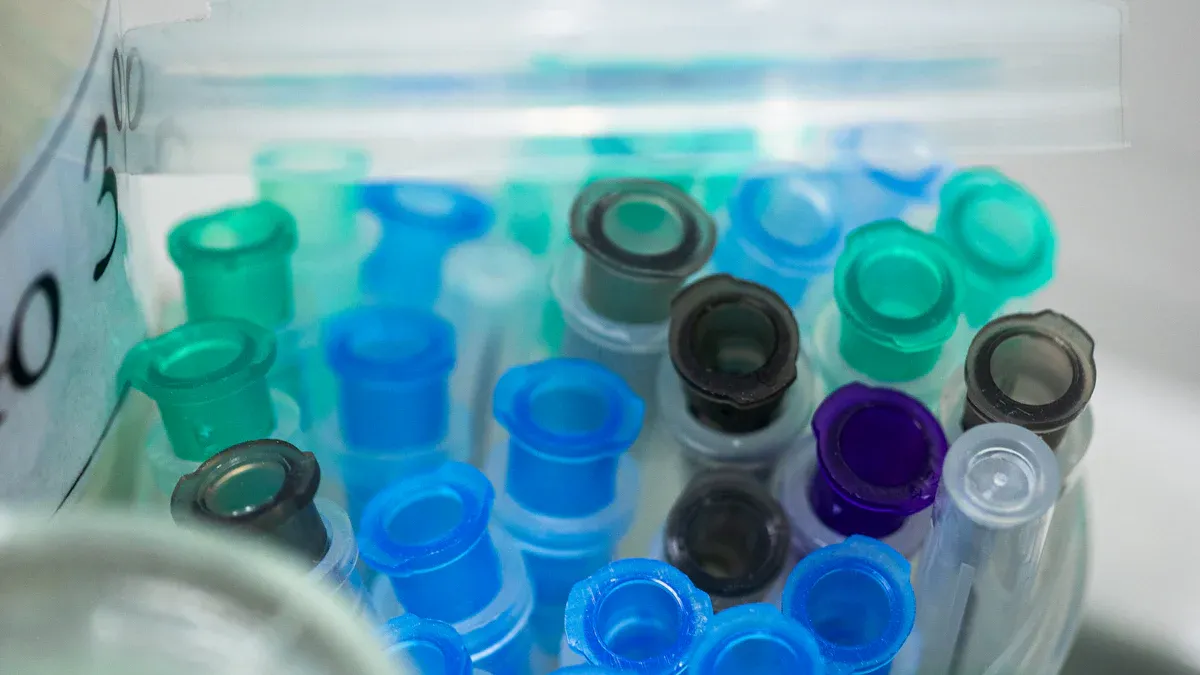
Image Source: unsplash
Filling & Capping Equipment
Selecting the right liquid packaging machines starts with matching the equipment to the container type. Bottles, pouches, and cartons each require specific machines for accurate filling and secure capping. Automated liquid packaging machines increase efficiency by handling containers smoothly on conveyors and platforms. These machines use precise volumetric or gravimetric methods to measure each fill, which ensures consistent product levels and reduces waste. Sensors and programmable logic controllers monitor the process, adjusting parameters in real time for accuracy. Filling nozzles help prevent splashing and dripping, keeping the workspace clean. Automated capping machines quickly secure snap, screw, or crimp caps, protecting the product and speeding up the packaging line. Companies looking for the best filling technology should consider machines that adapt to different liquids and containers.
Processing Efficiency
Efficiency plays a key role in liquid packaging machines. Automated systems allow continuous, high-speed operations, which reduces downtime and increases output. Rapid changeovers between products or container sizes help businesses respond to market demands. Automation also supports consistent quality by maintaining accurate fill levels and secure caps. Efficient liquid packaging machines streamline the entire process, from filling to labeling, which saves time and labor costs. Companies benefit from higher productivity and improved product quality.
Tip: Investing in efficient liquid packaging machines can boost production speed and help meet customer demand.
Cleaning & Maintenance
Easy cleaning and maintenance keep liquid packaging machines running smoothly. Machines designed for quick disassembly allow workers to clean parts thoroughly, which prevents contamination. Regular maintenance reduces the risk of breakdowns and extends equipment life. Simple cleaning routines also minimize downtime, supporting overall efficiency. Companies should choose machines with accessible parts and clear instructions for care. Reliable liquid packaging machines help maintain product safety and consistent output.
A well-chosen liquid packaging solution supports efficiency, product quality, and business growth. For expert advice and custom options, companies should consult a trusted liquid packaging solution supplier.
Evaluate Cost, Branding & Logistics
Cost Factors
Beverage businesses must balance packaging quality, budget, and long-term costs when choosing a liquid packaging solution. Several main cost factors influence the final decision:
• Equipment quality affects durability and price. High-quality machines last longer and reduce repair costs.
• Precision and accuracy matter for regulated industries. Machines with better accuracy often cost more but help maintain product quality.
• Customization increases costs. Custom machines fit specific needs but require a higher investment than standard models.
• Speed impacts price. Faster machines with higher output usually cost more due to advanced technology.
• Automation level changes the budget. Fully automatic systems cost more than manual or semi-automatic options.
• Versatility adds value. Machines that handle different liquids or container sizes come at a premium.
• Manufacturer support affects long-term expenses. Ongoing maintenance and support services add to the total cost.
Understanding these factors helps beverage businesses select equipment that fits both their budget and production needs.
Brand Impact
Packaging plays a key role in building brand recognition for any beverage business. Creative packaging design tells a brand story and attracts customers. Colors, shapes, textures, and sizes help products stand out on crowded shelves. Flexible packaging with 360-degree artwork and edge-to-edge designs allows brands to break free from traditional labels. Seasonal or limited-edition packaging encourages quick purchases and reinforces brand identity. Good packaging design improves the consumer experience and reflects brand values. Beverage businesses that invest in unique packaging gain a strong advantage in the market.
Tip: Eye-catching packaging can boost sales and help a beverage business connect with its target audience.
Distribution & Storage
Logistics present unique challenges for liquid packaging. Beverage businesses must control temperature during storage and transport to prevent spoilage. Poor temperature regulation can ruin products and create safety risks. Damaged or poorly packaged goods lead to losses and lower quality. Technologies like RFID monitoring help detect and prevent these issues. Cold storage systems need regular maintenance to avoid contamination. Transportation problems, such as vehicle breakdowns, can cause delays and financial losses. Cold chain logistics, including temperature-controlled vehicles and real-time tracking, protect product quality. Pre-trip inspections and advanced packaging techniques help maintain the right conditions and prevent spoilage.
A beverage business that manages logistics well ensures product quality and customer satisfaction. For expert guidance and custom solutions, consider consulting a trusted liquid packaging solution supplier.
Ensure Compliance & Supplier Support
Regulatory Requirements
Liquid products must meet strict legal and safety standards before reaching the market. Many countries have introduced new rules to protect consumers and the environment. For example:
• India’s Extended Producer Responsibility (EPR) requires companies to manage waste from their products.
• The European Union’s Single-Use Plastics Directive limits the use of certain plastics and encourages recycling.
• Stricter government policies now demand safer, more sustainable solutions.
These regulations increase operational costs and shape how companies design their products. Businesses must use recyclable or biodegradable materials and may need to adopt new technologies, such as aseptic or smart packaging. Meeting these requirements helps ensure product safety and builds trust with customers.
Note: Following local and international laws protects both the business and the consumer.
Supplier Collaboration
Working with knowledgeable suppliers makes compliance easier. Experienced suppliers understand the latest safety standards and can guide companies through complex rules. They help select materials and designs that meet both legal and market needs. Good suppliers also provide technical support and training for staff. This teamwork reduces the risk of mistakes and improves product quality.
A reliable supplier keeps up with changing regulations and shares updates with clients. This partnership allows businesses to focus on their core work while staying confident about safety and compliance.
Custom Packaging Solutions
Every business has unique needs. Custom solutions help companies address special requirements for safety, branding, and logistics. Suppliers can design systems that fit different product types, sizes, and shelf life demands. Customization also supports new technologies, such as smart labels or tamper-evident seals, which improve safety and traceability.
To find the right partner, companies should:
• List their main needs and challenges.
• Research suppliers with strong safety records and industry experience.
• Ask for references and case studies.
• Request samples or pilot runs to test quality.
• Compare support services and response times.
Tip: Choosing a trusted liquid packaging solution supplier ensures compliance, safety, and long-term success.
Selecting the right liquid packaging solution involves clear steps. Companies should match the liquid packaging solution to product needs, business goals, and market demands. A simple checklist helps teams review each step and avoid mistakes. This approach ensures the packaging solution protects the product and supports growth. For expert advice and a custom liquid packaging solution, companies can consult TENGYUE.
FAQ
What is a liquid packaging solution?
A liquid packaging solution includes materials, containers, and machines that safely store and transport liquids. It protects the product, supports branding, and meets safety standards.
How does a liquid packaging system improve efficiency?
A liquid packaging system automates filling, capping, and labeling. This reduces manual labor, increases speed, and ensures consistent quality across every product.
What factors affect the choice of a liquid packaging line?
Product type, container size, production speed, and budget all influence the choice. Companies must also consider safety, shelf life, and branding needs.
Can a liquid packaging solution support sustainability goals?
Yes. Many liquid packaging solutions use recyclable or biodegradable materials. These options help reduce waste and meet environmental regulations.
Where can companies find expert help for liquid packaging systems?
Companies should consult a trusted liquid packaging solution supplier for guidance. A reliable partner helps select the right system and ensures compliance with industry standards.


