


Top Tips for Maintaining Bottle Making Machines
 Jun 10, 2025|
 View:1338
Proper care is essential to keep bottle-making machines working efficiently. Skipping regular maintenance can lead to costly delays and reduced production output, which is especially important if you're considering a bottle making machine for sale.
If you're in the market for a bottle making machine for sale, keep in mind that consistent care is crucial for saving money and ensuring smooth operation.

Taking care of machines can make them work 20% better. Clean and check them often to avoid problems and delays.
Add oil to moving parts as the maker suggests. Oiling parts stops damage and helps the machine last longer.
Change old parts before they break. Checking parts often can cut down on breakdowns by 42%, keeping work steady.
Teach workers how to care for and fix machines. Trained workers can find problems early, saving time and money.
Write down all maintenance tasks. Keeping notes helps spot trends and plan future fixes easily.
Regular Cleaning: Cleaning off dirt stops contamination and keeps bottles safe.
Inspect and Replace Worn Parts: Look at parts like belts and seals. Change them before they break to avoid big problems.
Monitor Performance: Watch how the machine works to spot issues early.
Schedule Professional Maintenance: Experts can find hidden problems during regular check-ups.
Not enough lubrication can break parts and cause repairs.
Many experts say lubrication problems lead to unexpected downtime.
Poor lubrication costs industries a lot of money every year.
A good lubrication plan prevents failures and improves reliability.
Regular checks find worn parts before they break.
Cleaning keeps the machine clean and running well.
Lubrication reduces wear and helps parts last longer.
Replacing parts early avoids downtime and keeps production steady.
Unusual Patterns: Finding odd machine behavior helps fix problems early.
Machine Condition: Checking levels and performance keeps production steady.
Surface Problems: Spotting rust or cracks early saves important parts from damage.
Look Closely: Check for cracks, rust, or other damage on the machine.
Track Data: Write down production numbers to find any unusual changes.
Plan Regular Checks: Set times to check moving parts and other areas.
Liquid Properties Matter: Liquids with low thickness fill fast but may splash. Thicker liquids fill slower and might not fill completely.
Measuring Challenges: Thick liquids are harder to measure and fill correctly. This can cause uneven fills.
Packaging Problems: Using the wrong bottles or caps can lead to waste.
Adjust Machine Settings: Match the machine to the liquid's thickness.
Choose the Right Packaging: Use bottles and caps that work with the liquid.
Check Fill Levels Often: Look for uneven fills and adjust as needed.
Find the Cause: Look at past jams to see what went wrong, like parts not lining up or poor product flow.
Improve Product Movement: Use data to make changes that help products move smoothly.
Check Conveyor Alignment: Regularly adjust conveyors to prevent jams.
Inspect Parts: Check for broken or misaligned parts.
Remove Blockages: Clear out anything stuck in the machine.
Fix Conveyor Settings: Align and level conveyors for better flow.
Common Sensor Problems: Dirt, misalignment, or wiring issues often cause sensors to fail.
Production Impact: Broken sensors can miss bottles or stop the machine.
Clean Sensors Often: Remove dirt to keep them working well.
Check Sensor Position: Make sure sensors are lined up correctly.
Test Wires: Look for loose or damaged connections.
Faulty Heating Elements: Broken heaters cause uneven heat. This makes bottles form badly.
Cooling System Inefficiencies: Weak cooling slows production and lowers bottle quality.
Inadequate Monitoring Systems: Without tracking tools, temperature changes go unnoticed. This leads to delays.
Environmental Factors: Hot surroundings can make it hard to keep the right temperature.
Inspect Heating Components: Look for broken parts or uneven heat. Replace bad parts quickly.
Evaluate Cooling Efficiency: Check cooling systems. Clean vents or upgrade if needed.
Monitor Temperature Data: Use tools to watch temperature changes. Fix settings to stay steady.
Control External Factors: Keep the machine in a cool place to avoid outside heat problems.
Use hands-on practice to teach real skills.
Show examples of fixing common problems.
Offer refresher lessons to keep knowledge fresh.
OEE increased from 45% to 65% in two years.
Downtime dropped by over 50%.
Run time efficiency improved by 25-30%.
Production hit 190,000 to 200,000 cases regularly.
Packaging grew to about 1.3 million barrels yearly.
Costs went down by delaying big investments.
Instead of “Activate the lever to commence operation,” say, “Pull the lever to start.”
It stops overfilling or underfilling, ensuring correct bottle volumes.
A good calibration routine saves time and reduces waste.
Downtime decreases by 20-45%.
Efficiency improves by 15-25%.
Breakdowns reduce by 70-75%.
Let Molds Cool: Wait for molds to cool down to avoid burns.
Wipe Off Dirt: Use a soft cloth or brush to clean off residue.
Use Cleaner: Apply a cleaner recommended by the manufacturer to remove tough dirt.
Rinse Well: Wash molds with water to clear away the cleaner.
Dry Completely: Use a lint-free cloth or air dryer to remove all moisture.
Check for Cracks: Look for damage after every cleaning session.
Store Safely: Keep molds in a dry, clean place to stop rust.
Protect with Coatings: Use anti-rust sprays to make molds last longer.
Capacity: Machines with high output save time and handle big jobs.
Material Compatibility: Make sure the machine works with your materials, like glass or plastic.
Customization Options: Adjustable molds or eco-friendly settings make the machine more flexible.
Machine Capacity: Bigger machines work faster and cut costs.
Level of Automation: Automatic machines save on labor and improve accuracy.
Quality and Durability: Strong machines break less and cost less to fix.
Customization and Features: Extra features may cost more but add flexibility.
Match machine capacity to your production needs.
Check filling technology for cost and efficiency.
Look at automation levels for long-term savings.
Check Their Reputation
Key Takeaways
Preventive Maintenance Practices
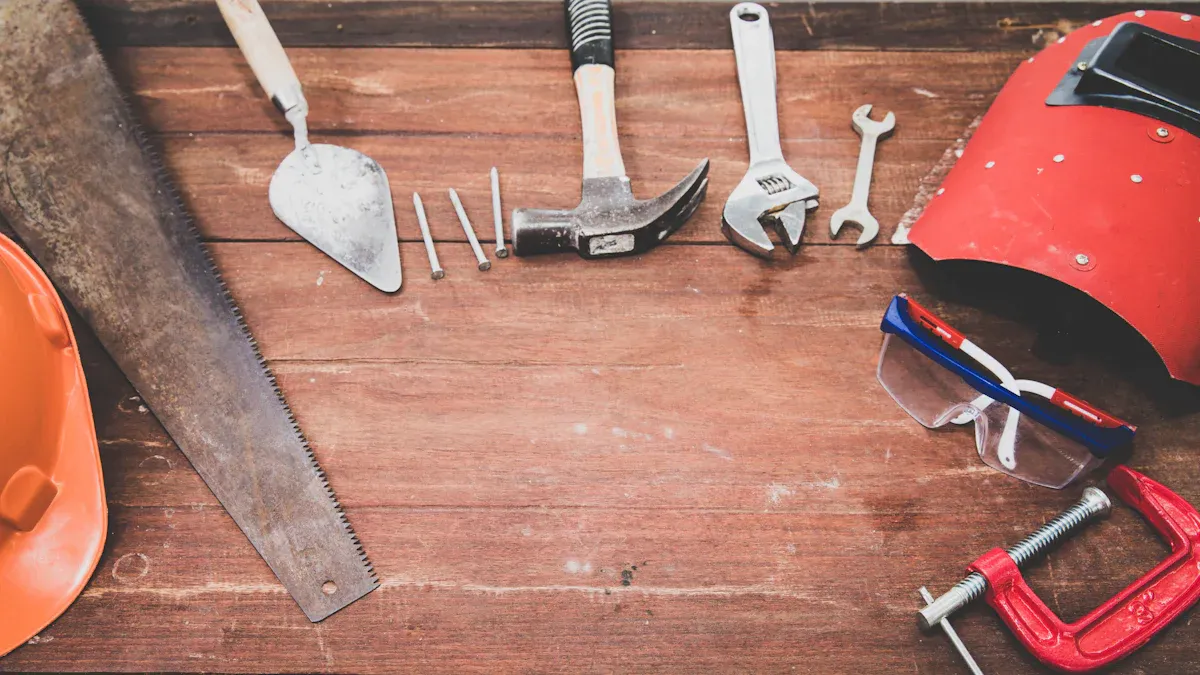
Taking care of your bottle-making machine helps it work well. Fixing small problems early stops big repairs and delays. Here are some simple steps to follow.
Regular Cleaning and Inspection
Cleaning and checking your machine often keeps it in good shape. Skipping these steps can cause dirt buildup, which lowers efficiency and bottle quality. Here's why cleaning and inspection matter:
Tip: Make a cleaning plan and follow it. Regular cleaning stops dirt buildup and keeps the machine running smoothly.
Lubrication of Moving Parts
Lubricating moving parts reduces wear and keeps the machine working well. Skipping this step can cause breakdowns and expensive fixes. Remember these points about lubrication:
Note: Use the lubricants recommended by the manufacturer. Follow their advice on how often to apply. Too much lubrication can also cause problems.
Scheduled Component Replacement
Changing parts on time stops sudden breakdowns and keeps the machine efficient. Replacing worn parts early protects the whole system. Here's why this is important:
Pro Tip: Write down when you replace parts. This helps you see patterns and plan future replacements better.
By following these steps, your bottle-making machine will work well for a long time.
Watching for Wear and Tear
Checking for wear and tear keeps your bottle-making machine in good shape. Spotting damage early helps avoid expensive repairs and delays. Watching specific signs can help you plan maintenance and stop sudden breakdowns.
Important Signs to Check
Some signs show when your machine needs care. Checking these signs often keeps it working well:

Why Watching Helps
Watching these signs gives useful details about your machine's condition. For example:
Tip: Use tools that track these signs automatically. They give quick updates and lower mistakes.
Easy Ways to Watch
You can follow simple steps to check wear and tear:
By keeping an eye on things, your bottle-making machine will work well and avoid problems.
Troubleshooting Common Issues
Even with regular care, bottle-making machines can still have problems. Knowing how to fix these issues quickly helps keep production running smoothly. Below are some common problems and simple solutions.
Fixing Uneven Fill Levels
Uneven fill levels can waste materials and slow production. Understanding why this happens helps you solve the problem.
To fix this:
Tip: Teach workers to spot fill problems early. Quick fixes save materials and keep production steady.
Solving Machine Jams
Machine jams are common and can stop production. Finding the causes and fixing them helps the machine run better.
To fix jams:
Pro Tip: Keep a record of jams. This helps find patterns and improve maintenance.
Repairing Sensor Problems
Sensors are important for keeping bottle-making machines accurate. When sensors fail, they can cause production errors.
To fix sensor issues:
Note: Use tools to check sensors regularly. Catching problems early avoids bigger issues.
By solving these problems, your bottle-making machine will work better and avoid costly delays.
Diagnosing Temperature Control Problems
Temperature control is very important for bottle-making machines. If the temperature changes too much, production slows down. Bottles may also turn out poorly. Knowing the causes and fixing them keeps the machine working well.
Common Causes of Temperature Control Issues
Many things can mess up temperature control. Finding the problem quickly helps fix it fast:
Tip: Check heating and cooling systems often to spot problems early.
Why Temperature Control Matters
Good temperature control makes better bottles and faster production. The table below shows why it’s important:
Evidence Description | Key Points |
|---|---|
Heating preforms evenly | Makes strong bottles; uneven heat causes bad shapes and delays. |
Cooling systems improve speed | Faster cooling means quicker production and better results. |
Watching temperature changes | Helps keep things steady; quick fixes stop delays from heat spikes. |
Steps to Diagnose and Fix Temperature Problems
Follow these steps to find and fix temperature issues:
Pro Tip: Get a system that warns you about sudden temperature changes. Quick action stops delays.
Fixing temperature problems improves bottle quality and saves time. Good heating and cooling keep the machine reliable.
Operator Training and Documentation
Why Skilled Operators Matter
Skilled operators help keep bottle-making machines working well. They know how machines work and can spot problems early. This stops big breakdowns and saves money. Training teaches operators basic care tasks. These tasks reduce downtime and make machines more reliable. This method, called Total Productive Maintenance (TPM), focuses on care and teamwork. Giving your team the right skills helps improve both the machine and production.
Evidence | Description |
|---|---|
Training Programs | Teaching operators prevents mistakes and misuse, helping machines last longer. |
Efficiency Improvement | Trained operators use machines better, lowering errors and boosting efficiency. |
Tip: Teach operators about machine settings and care steps. Their knowledge saves time and money.
Holding Regular Training Sessions
Regular training keeps operators updated on new skills and machine features. It helps them learn new technology and avoid mistakes that harm machines or slow work. Training builds a team ready to handle problems confidently.
To make training useful:
Note: Make training fun and match it to your machine's needs. This keeps operators interested and helps them remember better.
Keeping Maintenance Logs
Maintenance logs track how well your bottle-making machines are doing. Logs give helpful information to improve reliability and performance. For example, tracking care tasks shows patterns that help plan better and avoid surprises.
Benefits of keeping logs include:
Pro Tip: Use digital tools for logs. Automated systems make tracking easier and show trends quickly.
Training operators and keeping logs help your bottle-making machines run smoothly and efficiently.
Making Simple Operating Manuals
Operating manuals are important for running your bottle-making machine well. A clear manual helps workers understand the machine, fix problems, and do maintenance easily. Here’s how to make a manual your team will find helpful.
1. Write in Easy Words
Don’t use hard technical terms that confuse workers. Keep sentences short and simple. For example:
Tip: Use action words like “push,” “turn,” or “fix” to make steps easy to follow.
2. Arrange Information Clearly
Split the manual into sections like setup, use, fixing, and care. Add headings and subheadings to guide readers. A table of contents at the start helps find details quickly.
3. Add Helpful Pictures
Pictures and charts make hard steps easier to understand. For example, a labeled picture of the machine helps workers find parts fast. Show steps with images for tasks like changing parts or fixing settings.
Visual Example | What It Does |
|---|---|
Labeled Picture | Shows machine parts |
Troubleshooting Map | Explains how to fix issues |
Step-by-Step Photos | Helps with maintenance |
4. Focus on Safety
Safety is very important. Use bold words, symbols, or colors to show warnings. For example:
⚠️ Warning: Turn off the machine before cleaning to stay safe.
5. Test the Manual
Ask someone new to use the manual without help. Their feedback will show unclear parts and help you improve it.
A simple and clear manual helps your team use the machine better. It lowers mistakes, improves work speed, and keeps your machine in good shape.
Optimizing Performance for Bottle Making Machines
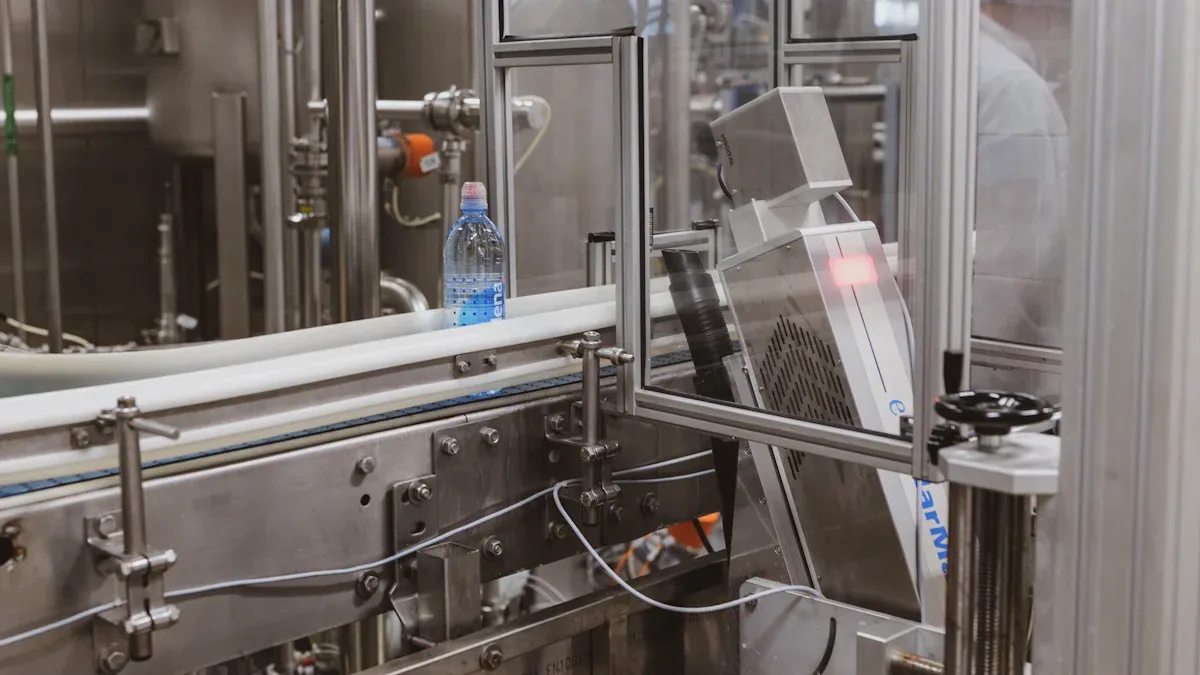
Proper Calibration Techniques
Calibrating your bottle-making machine helps it work accurately. Adjusting it often keeps filling and capping precise. This improves production and reduces waste. Without calibration, bottles may overfill or underfill, causing material loss.
Tip: Make a schedule for calibration. Frequent checks prevent costly mistakes and keep production steady.
Ensuring Component Alignment
Misaligned parts can harm your machine and slow production. Keeping parts aligned helps the system run smoothly. When molds, conveyors, and sensors are aligned, the machine works better and makes quality bottles.
Check important parts often for misalignment. Look for uneven bottles or frequent jams. Fix misaligned parts quickly to avoid bigger problems. Use tools to make alignment easier and more accurate.
Note: Heavy use can cause misalignment. Check alignment after each production cycle to keep things running well.
Implementing Preventative Maintenance Strategies
Preventative maintenance keeps your machine reliable and reduces downtime. Fixing small issues early saves money and improves efficiency. Studies show this type of care lowers costs and prevents breakdowns.
Pro Tip: Use tools to monitor your machine’s condition. These tools help find problems early and plan repairs on time.
Preventative care keeps your bottle-making machine in great shape. It ensures consistent results and boosts productivity.
Cleaning Molds After Production Runs
Cleaning molds after each production run helps make better bottles. Dirt or residue can change bottle shapes and cause hygiene problems. Regular cleaning stops these issues and makes molds last longer.
Why Cleaning Molds is Important
Dirty molds can ruin bottle designs. Residue can create uneven surfaces or spread germs. Clean molds help the machine work better and keep bottles high-quality. Skipping this step can lead to expensive fixes or replacements.
Tip: Check molds right after production for dirt or damage. Fixing problems early saves time and avoids bigger issues.
Steps to Clean Molds
Use these steps to clean molds properly:
Note: Don’t use rough tools that can scratch molds. Scratches make molds less effective and harm bottle quality.
Mold Maintenance Tips
Taking care of molds keeps them in good shape. Follow these tips:
Maintenance Task | How Often | Why It Helps |
|---|---|---|
Cleaning molds | After each run | Stops dirt from building up |
Checking for damage | Weekly | Prevents costly repairs |
Adding coatings | Monthly | Protects molds from rust |
Cleaning molds regularly keeps bottles consistent and reduces machine downtime. Proper care ensures molds are ready for the next use.
Finding the Right Bottle Making Machine for Sale
Evaluating Machine Features
Picking the right bottle-making machine starts with checking its features. Advanced machines can handle more work and boost efficiency. Think about these points:
Why are features important? Industry trends show their value:
Statistic | What It Shows |
|---|---|
The U.S. food and drink industry grew in 2022, showing more packaging needs. | |
Market Drivers | Custom packaging and eco-friendly materials are in demand. |
E-commerce Growth | Online brands need eye-catching packaging to stand out. |
Tip: Match the machine’s features to your goals. This helps you work faster and smarter.
Understanding Maintenance Requirements
Maintenance is key when choosing a bottle-making machine. Machines with clear care instructions and good support last longer and work better. Keep these in mind:
Factor | Why It Matters |
|---|---|
Good support from suppliers makes maintenance easier. | |
Technical support | Expert help fixes problems quickly. |
Maintenance packages | All-in-one plans make upkeep simple and worth the cost. |
Machines with strong maintenance plans may cost more upfront but save money later. Look for suppliers offering manuals, training, and spare parts to make care easier.
Note: Pick machines with easy-to-follow maintenance plans. This keeps your work running smoothly.
Comparing Costs and Benefits
Buying a bottle-making machine means weighing costs against benefits. High-tech machines may cost more but offer big advantages over time. Think about these:
Follow these steps to decide:
Pro Tip: Choose machines that balance price and benefits. This makes your investment worthwhile.
Picking Trustworthy Manufacturers
Choosing the right maker is important for buying a bottle-making machine. A good manufacturer gives you a strong product, helpful support, and lasting value. Here’s how to find the best one for your needs.
Look into the company’s history. Read online reviews, customer feedback, and industry scores. A trusted company usually makes high-quality machines.
Tip: Talk to other businesses that bought a bottle-making machine for sale. Their advice can help you decide.
2. Look at Their Experience
Pick a manufacturer with lots of experience in bottle-making. Skilled companies know the industry well and offer smart solutions. Find one that matches your bottle type, like plastic, glass, or custom designs.
3. Review After-Sales Support
After-sales help is very important. Good manufacturers provide training, spare parts, and expert support. This keeps your machine running well.
Support Feature | Why It’s Important |
|---|---|
Training Programs | Teaches your team to use it well |
Spare Parts Availability | Speeds up repairs |
Technical Assistance | Fixes problems quickly |
4. Compare Warranties and Maintenance Plans
A solid warranty shows the company trusts their product. Maintenance plans from the maker make care easier and cheaper.
Pro Tip: Stay away from companies without clear care instructions for their bottle-making machine for sale. This might cost you more later.
Picking a trustworthy manufacturer ensures your machine works well and avoids problems.
Taking care of your bottle-making machine is very important. Good maintenance and skilled use keep it working well. Follow the tips in this guide to avoid delays, work faster, and make your machine last longer.
Remember: Keeping your machine in good shape saves money and keeps production steady.
Think about what you need before buying a machine. Pick one that fits your future plans. A smart choice now means fewer problems and more success later. If you have any question, welcome to contact our company-a professional bottle making machine factory in China.


